
Located in the new CBD of the city, Shanghai Pinghe School Jinding Campus, designed by c+d studio, is bound to be a unique existence due to its high floor area ratio requirement of up to 3.0, international teaching mode, and high-density surrounding urban environment. As part of the nine-square grid neighbourhood, this plot has clearly defined requirements for building density, floor area ratio, setback regulations, urban public spaces, and underground spaces, as well as architectural style and image, to form a cohesive entity with the surrounding eight plots.
-
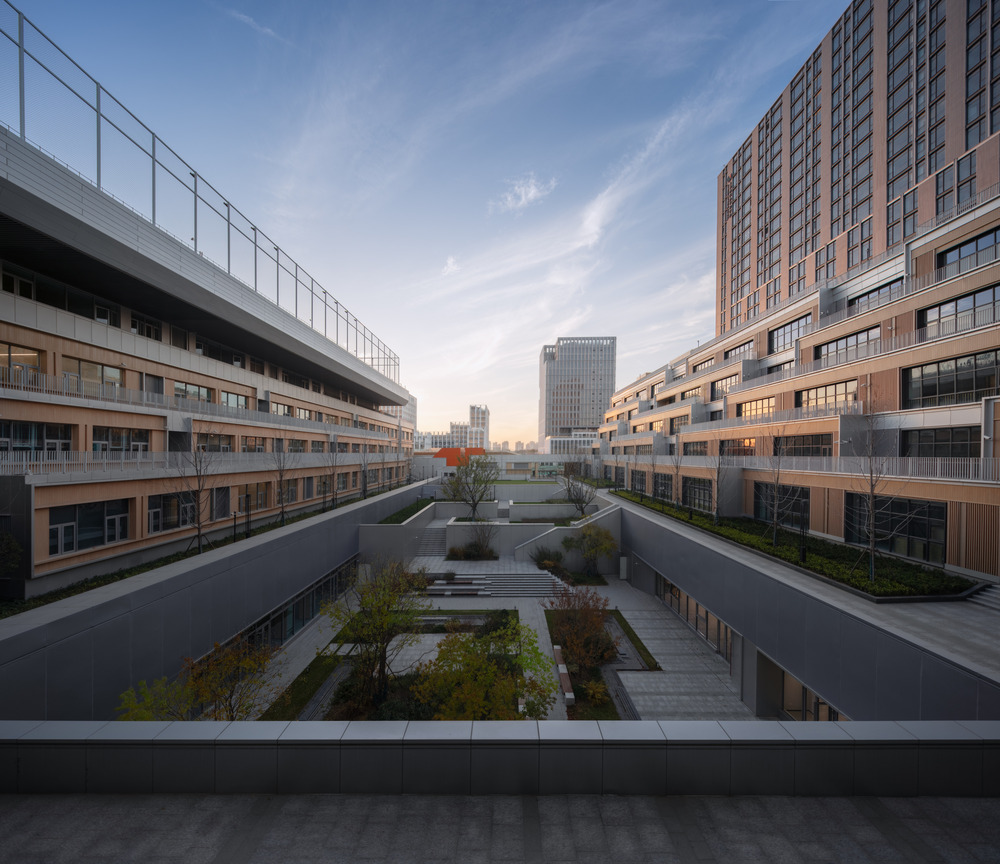
- Photographer: Shan Liang, Xian Song, ECADI
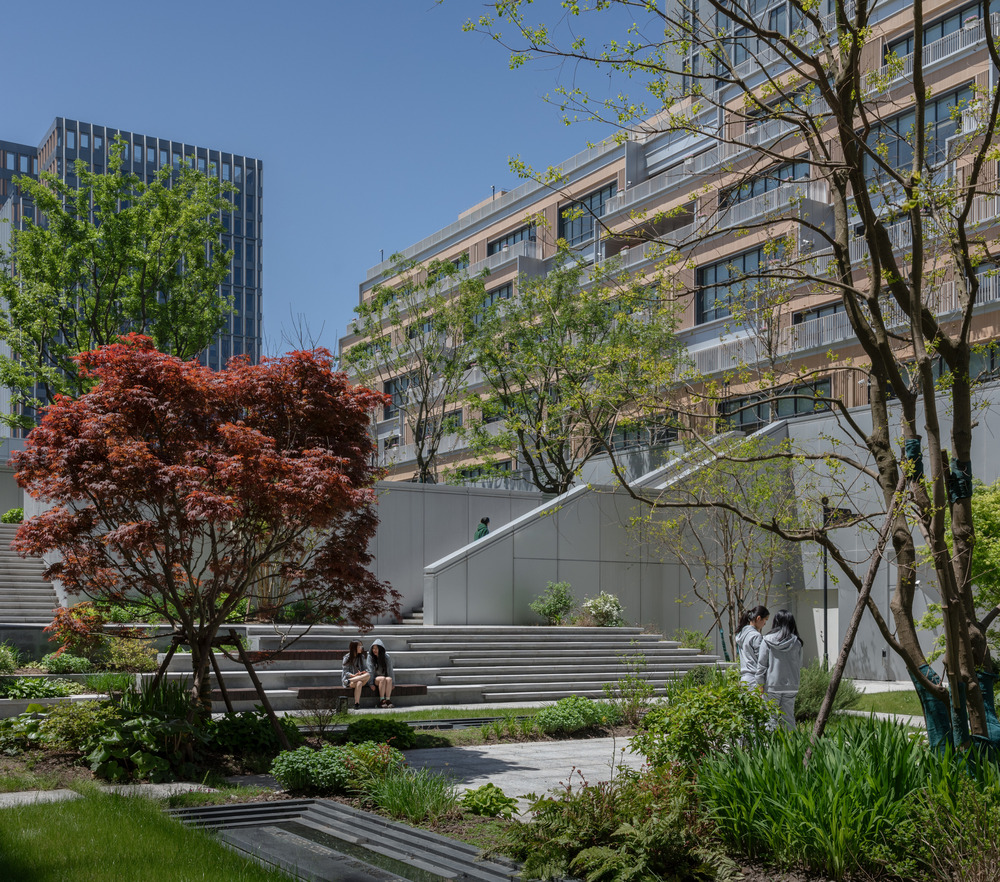
Most campuses run their own independent kingdoms in the city, but when the campus puts aside its ivory tower status and turns from a spectator of the city to a participant, or even a leader of the urban space, its role takes on many possibilities. The designer has captured this strong urbanity, which is rare on campus, taking gathering as the theme, and has created an urban dream theatre without walls that can stimulate the desire for communication between teaching and learning.
Theatre is a public stage. This campus is in the centre of the city, where the surrounding urban image, urban space, and urban functions are all echoed in the campus design. The campus has become a theatre open to the city, with a variety of functional spaces reserved for the possibility of time-sharing with the city, as a cultural infrastructure to be built, shared, and prospered with the city.
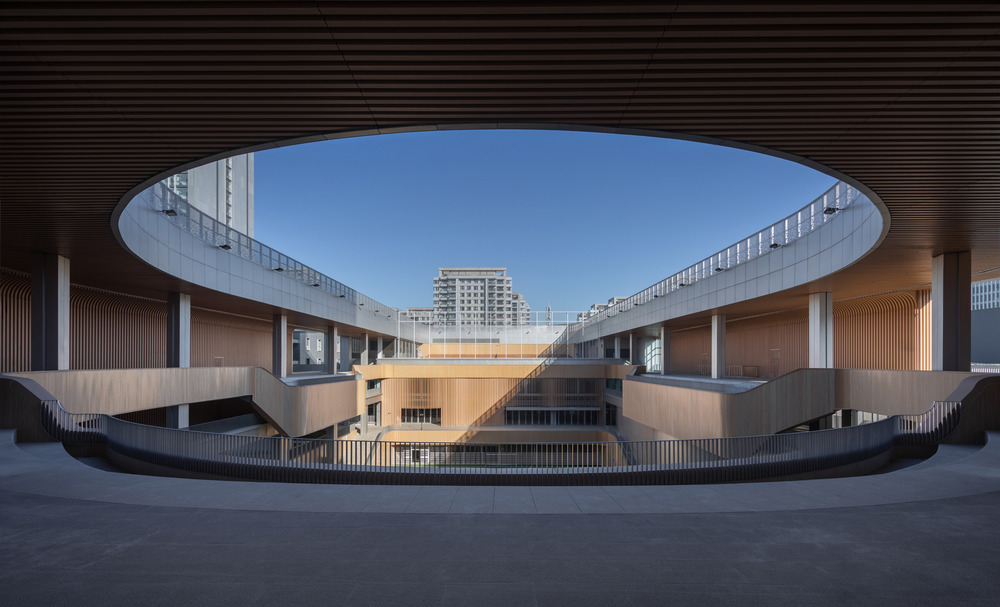
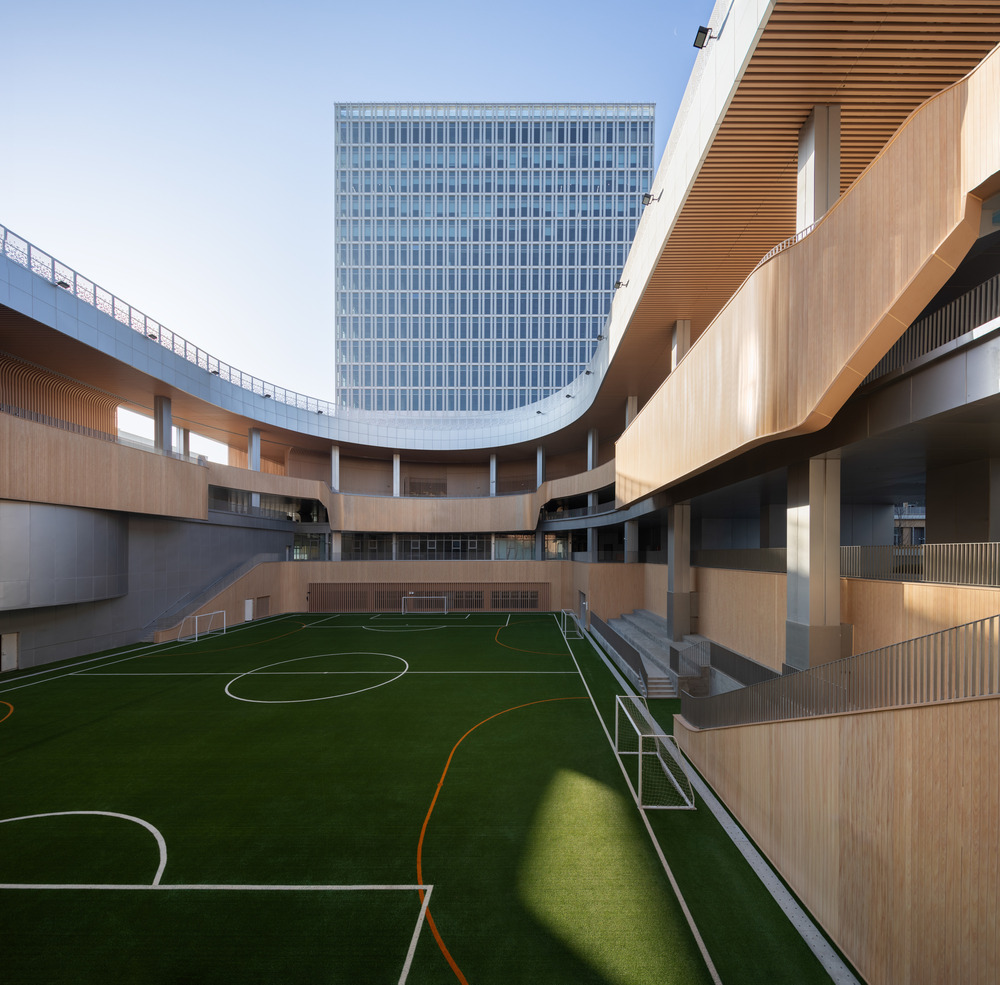
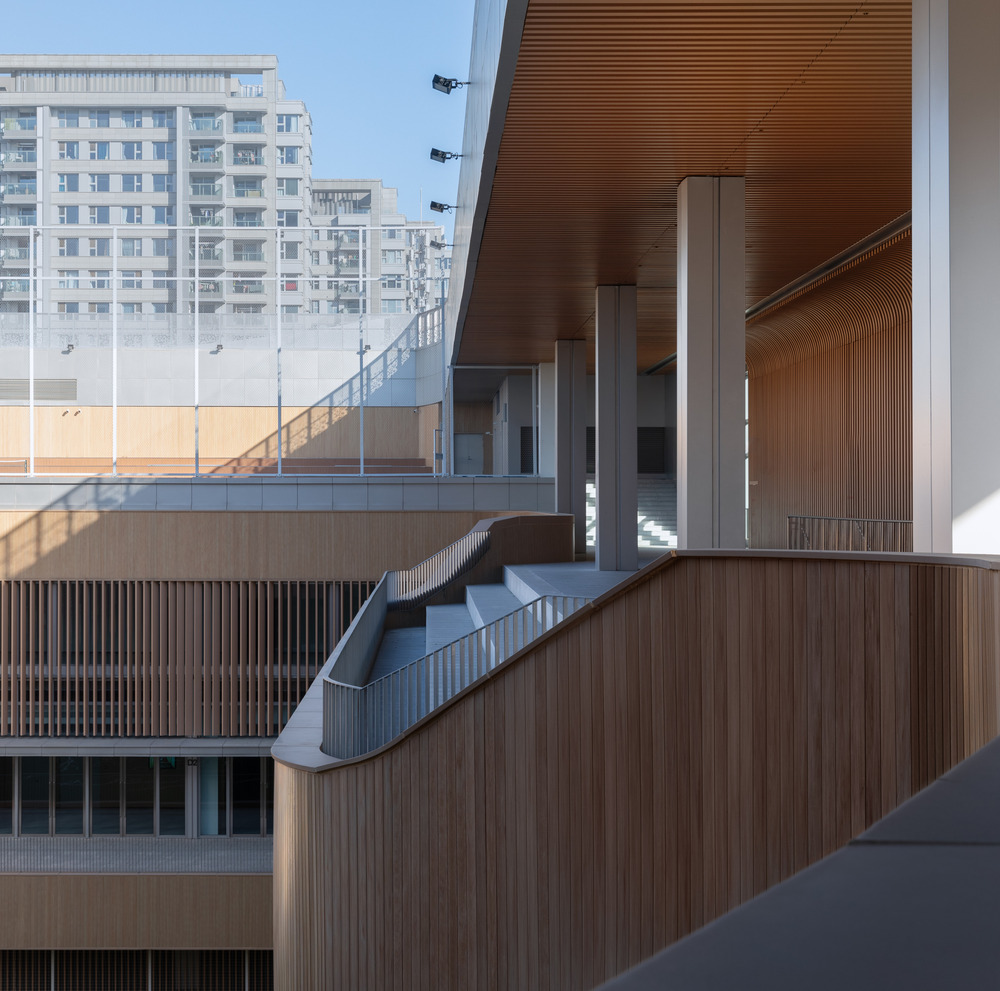
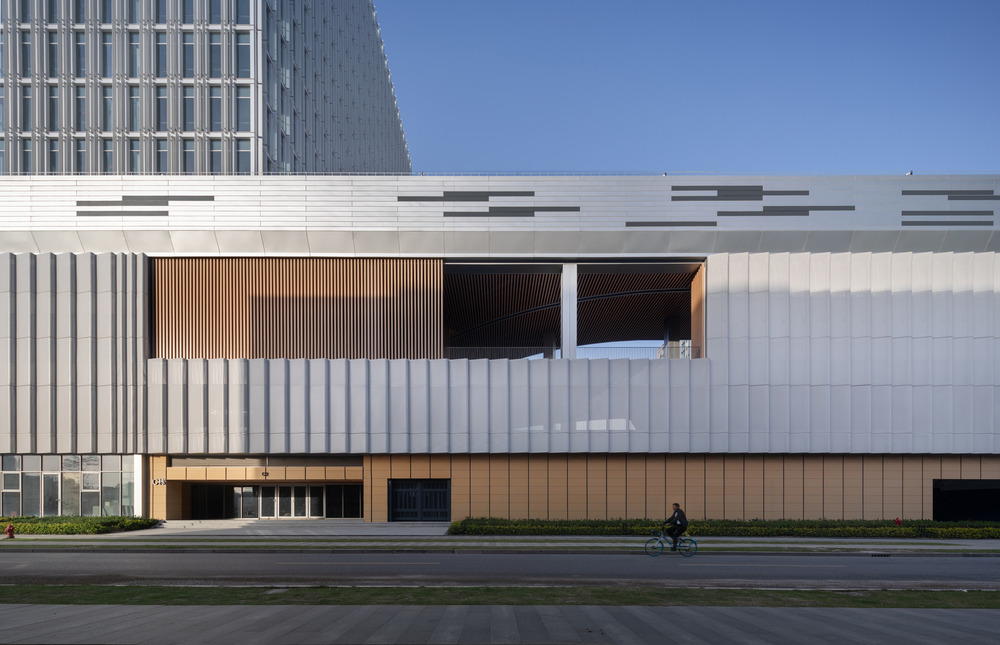
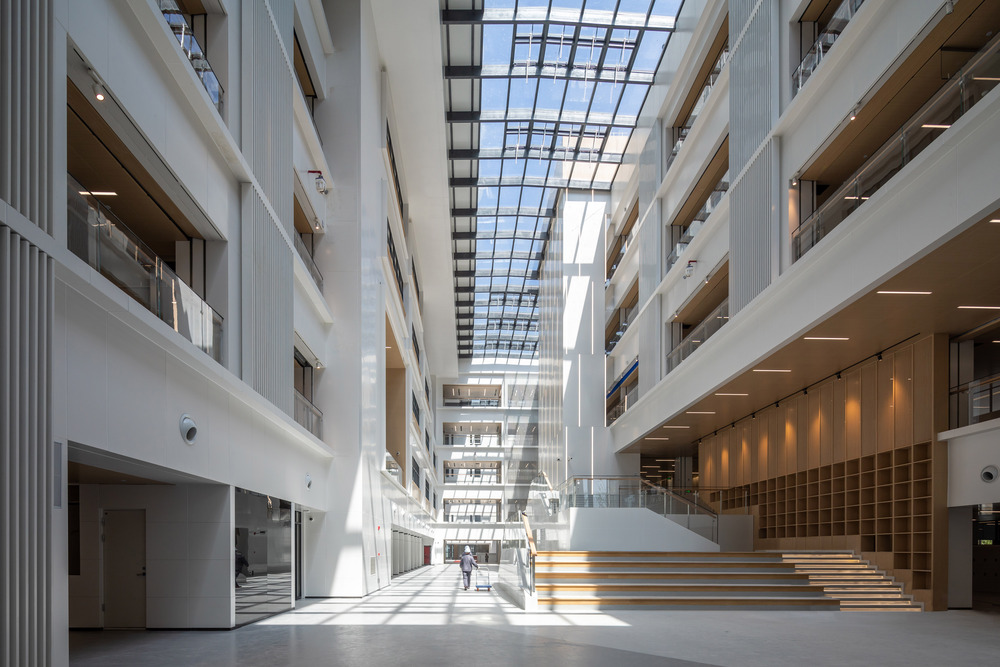
Theater is the space for seeing and being seen, as well as a centre for gathering activities. The core space of the campus is composed of two theaters with different themes. One is the wisdom theater, which organises various learning activities, with the classrooms set back as the stands and a garden surrounded by the library as the stage. The other one is the vitality theatre, which is a venue for various sports and performances, with a multi-layered circular corridor connecting public functions as the stand and a sunken sports field as the stage.
Theater is a condensed life scene. And in the design, the high density of space is transformed into the high density of studying life. Education is isomorphic to life, which is exploratory in nature. As Whitehead pointed out, “Education is discipline for the adventure of life”. Campuses with highly complex functions and spaces convert the complexity of life into educational resources to better adapt to the needs of diverse learning scenarios.
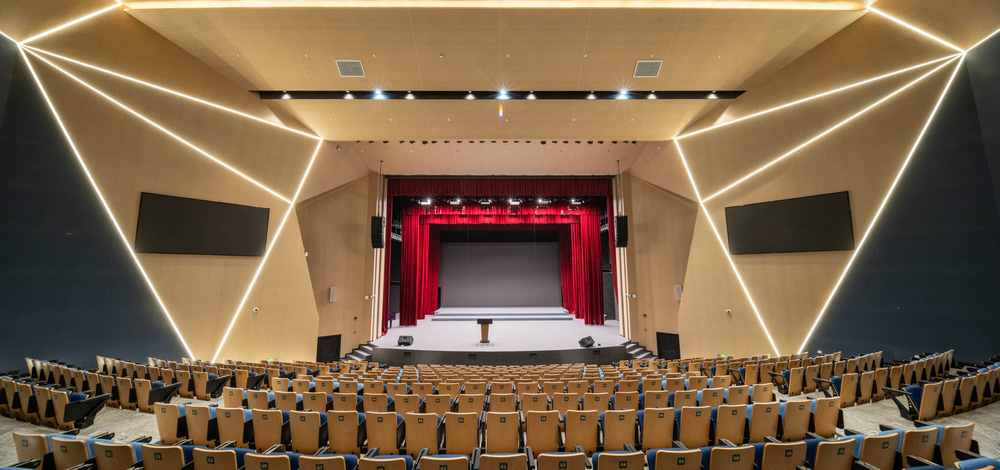
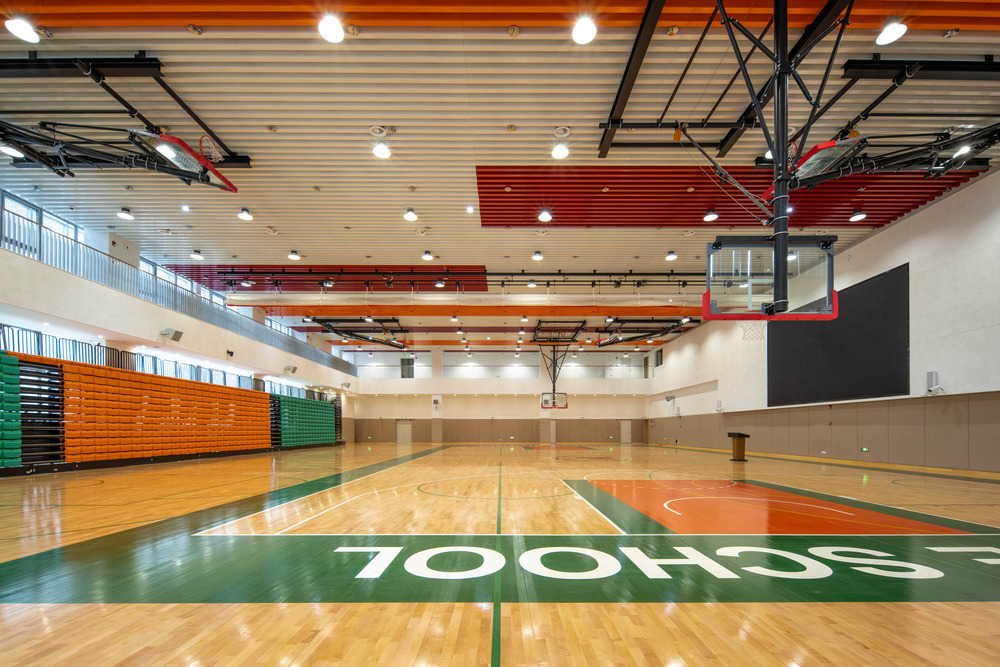
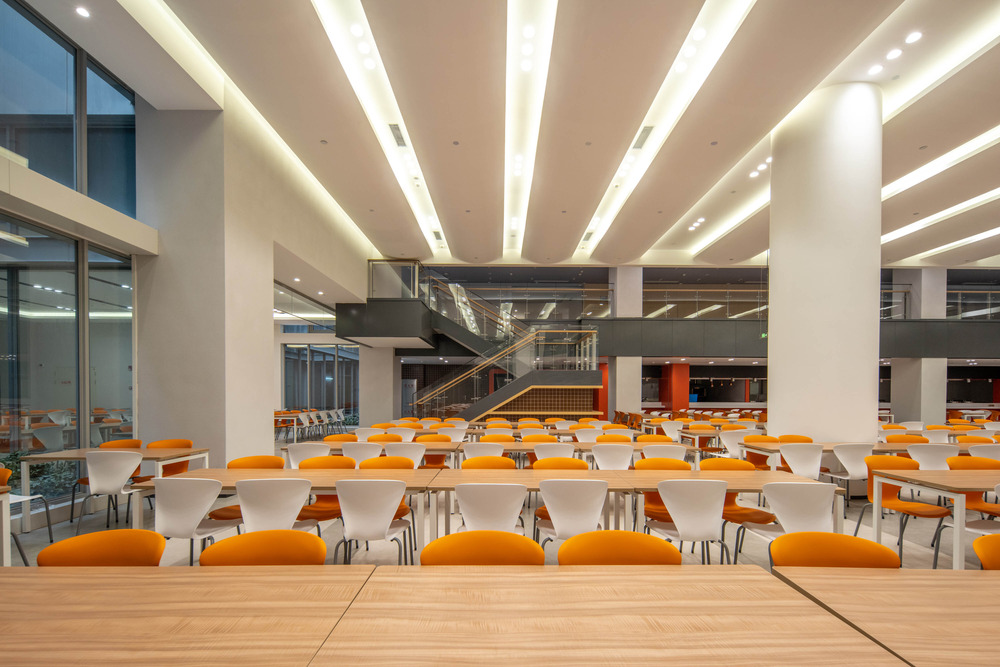
The great focus on its urban character is the key feature that distinguishes the project from traditional campuses. This character stems both from external urban demands and the citywide role it plays, as well as from the deep-seated logic of its internal structure being isomorphic with urban life.


